
"Advertising in Singapore should work the same way as in Japan" — one of the first surprises that Japanese company managers encounter when they arrive ishow strict the advertising regulations are.
Based on 13 years of experience on the ground, we explain Singapore's advertising rules — which differ fundamentally from those in Bangkok, Hong Kong, and Tokyo.
LED Billboards & Digital Signage Are Almost Nowhere to Be Found
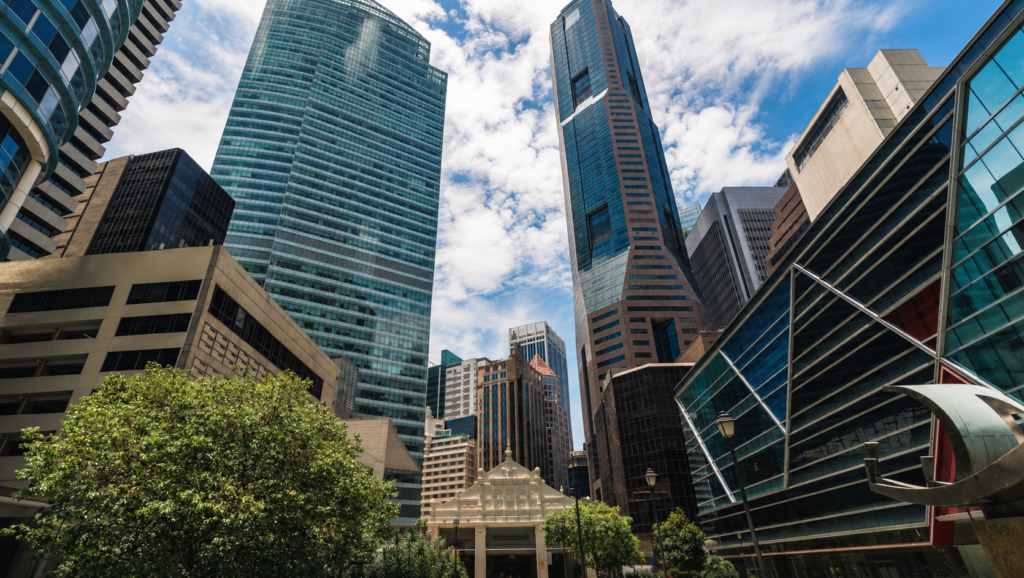
Anyone who has walked through Bangkok's Asoke or Hong Kong's Mong Kok will have been overwhelmed by massive LED screens covering entire building facades and electric billboards filling every intersection.
In Singapore, that kind of visual environment is almost entirely absent.
Outdoor electronic advertising (digital signage and LED billboards) is subject tostrict regulations from the URA (Urban Redevelopment Authority) and BCA (Building and Construction Authority), with detailed rules governing permitted locations, size, brightness, and whether animation is allowed. Approved areas are largely limited to Orchard Road, Bugis, Raffles Place, and other CBD locations — large-scale digital advertising is generally not permitted elsewhere.
In conservation areas such as Chinatown, Little India, and Tanjong Pagar, illuminated or flashing signage is effectively prohibited to protect the appearance of historic buildings.
Leafleting Is Also Illegal — Street Promotions Are Generally Prohibited
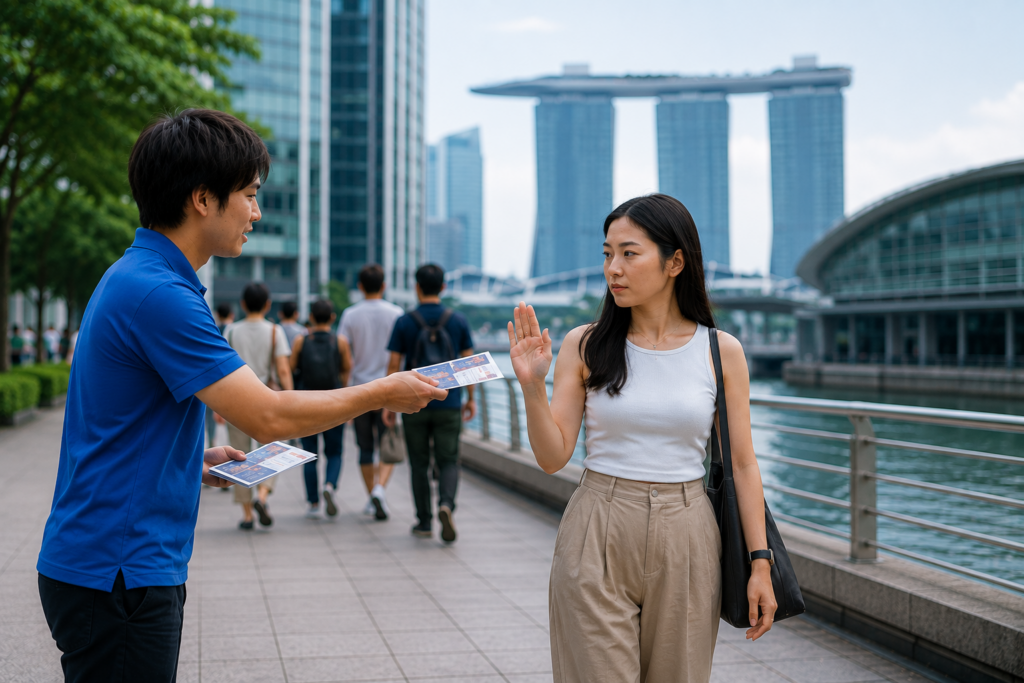
The flyer distribution common outside train stations in Japan, and street promotions typical across Southeast Asian cities, are in Singaporeillegal without a permit. In Singapore, where littering carries heavy fines, advertising activity on public streets is regulated with equal strictness. Sampling inside shopping malls or at event venues is permitted, but prior approval from the organiser or property manager is required.
Comparison with Other Major Asian Cities
| City | Outdoor Digital Advertising | Street Leafleting | Regulatory Strictness |
|---|---|---|---|
| Singapore | Permitted in specific areas only | Generally prohibited | ★★★★★ |
| Tokyo | Relatively unrestricted | Permitted (with some restrictions) | ★★★ |
| Bangkok | Largely unrestricted | Widely practised | ★★ |
| Hong Kong | Widely permitted | Permitted | ★★ |
| Jakarta | Relatively unrestricted | Widely practised | ★★ |
So What Advertising Methods Actually Work in Singapore?
Because of the strict regulations, the advertising channels that actually work in Singapore are narrower in scope.
① MRT (Subway) & Bus Stop Transit Advertising
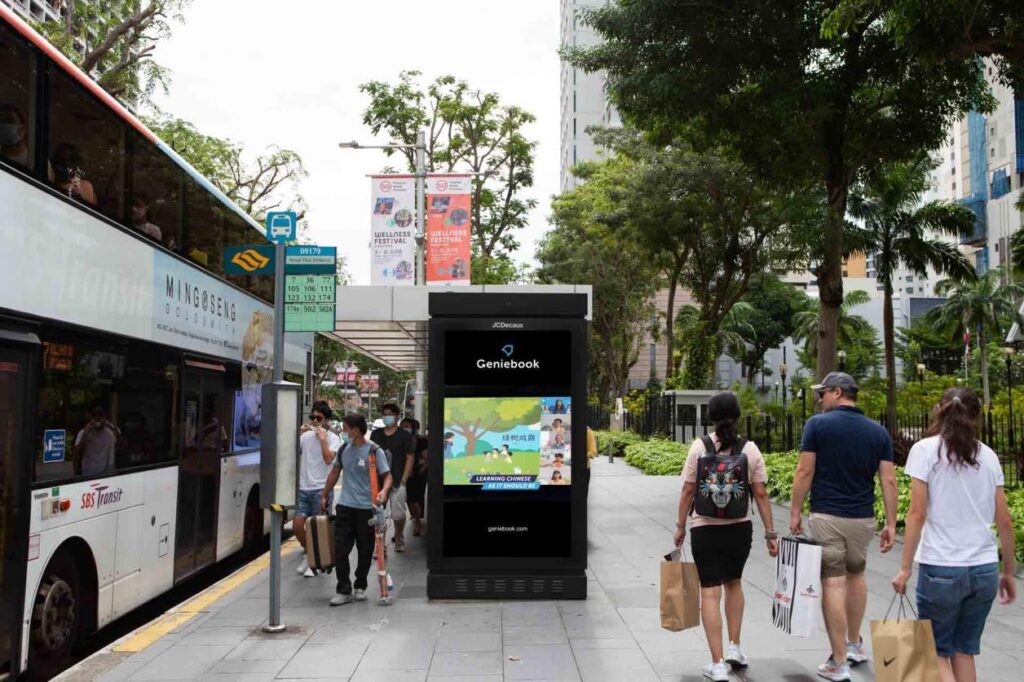
Many bus stops are equipped with digital signage running 20–30 second video and static ads.
In-station panels and digital screens at MRT stations are also effective, with major stations like Raffles Place and Orchard offering strong reach.
。
② Digital Marketing (LinkedIn, Meta, Google)
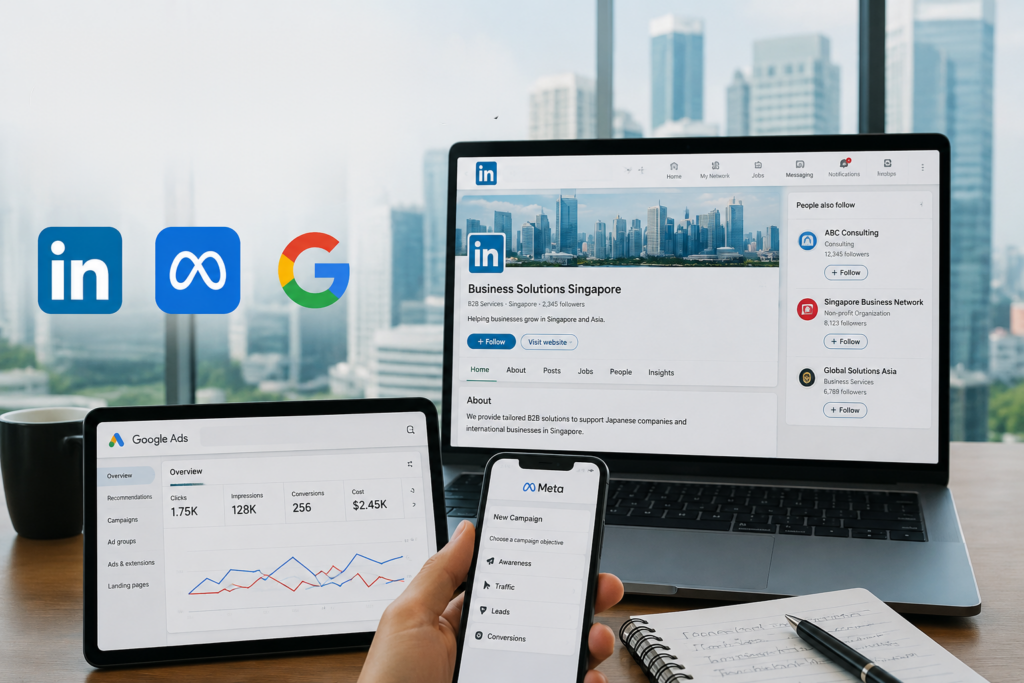
For B2B companies in Singapore,LinkedIn is the most important channel.
It offers highly accurate targeting to local subsidiary managers, HR, and procurement teams at Japanese companies — making it especially effective for recruitment and B2B services.
Meta and Google are used for both brand awareness and direct enquiries.
③ Shopping Mall Advertising & Event Spaces
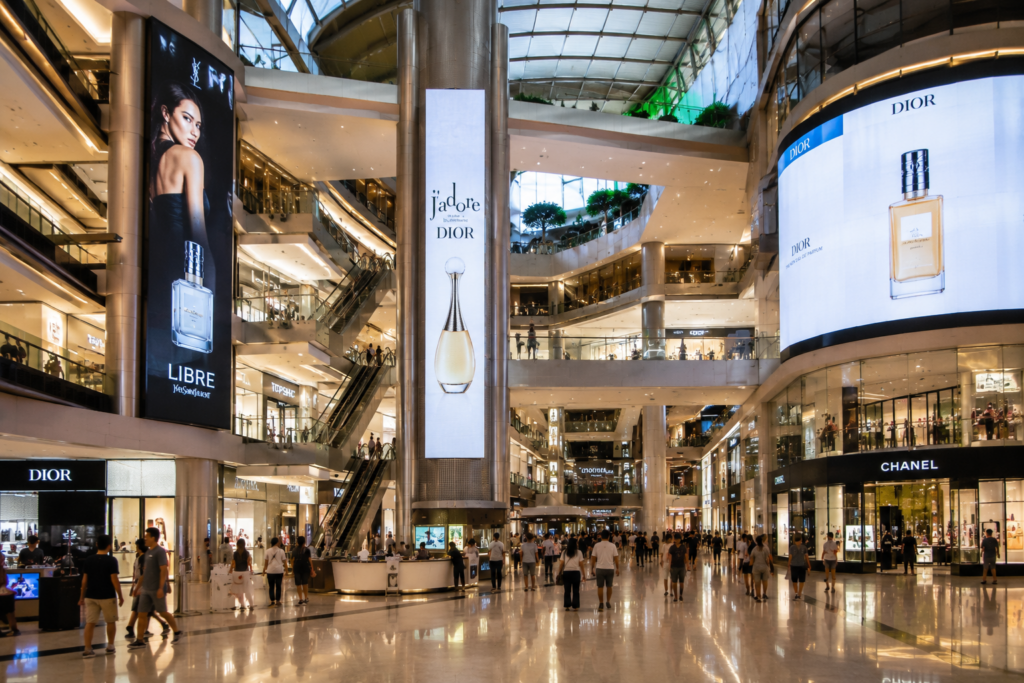
Advertising in the atriums and corridors of major malls like ION Orchard, VivoCity, and Suntec City is effective for reaching affluent consumers and expatriates.
Setting up event booths is also possible with prior approval.